Guide
After Canton Fair: Plan Supplier Factory Visits
A booth lets you meet a supplier and see samples. A visit lets you see how the product is actually made. Narrow the list to two or three, verify the company first, confirm the address and date in writing, group visits by region, and take one checklist to every factory so the comparison is fair.
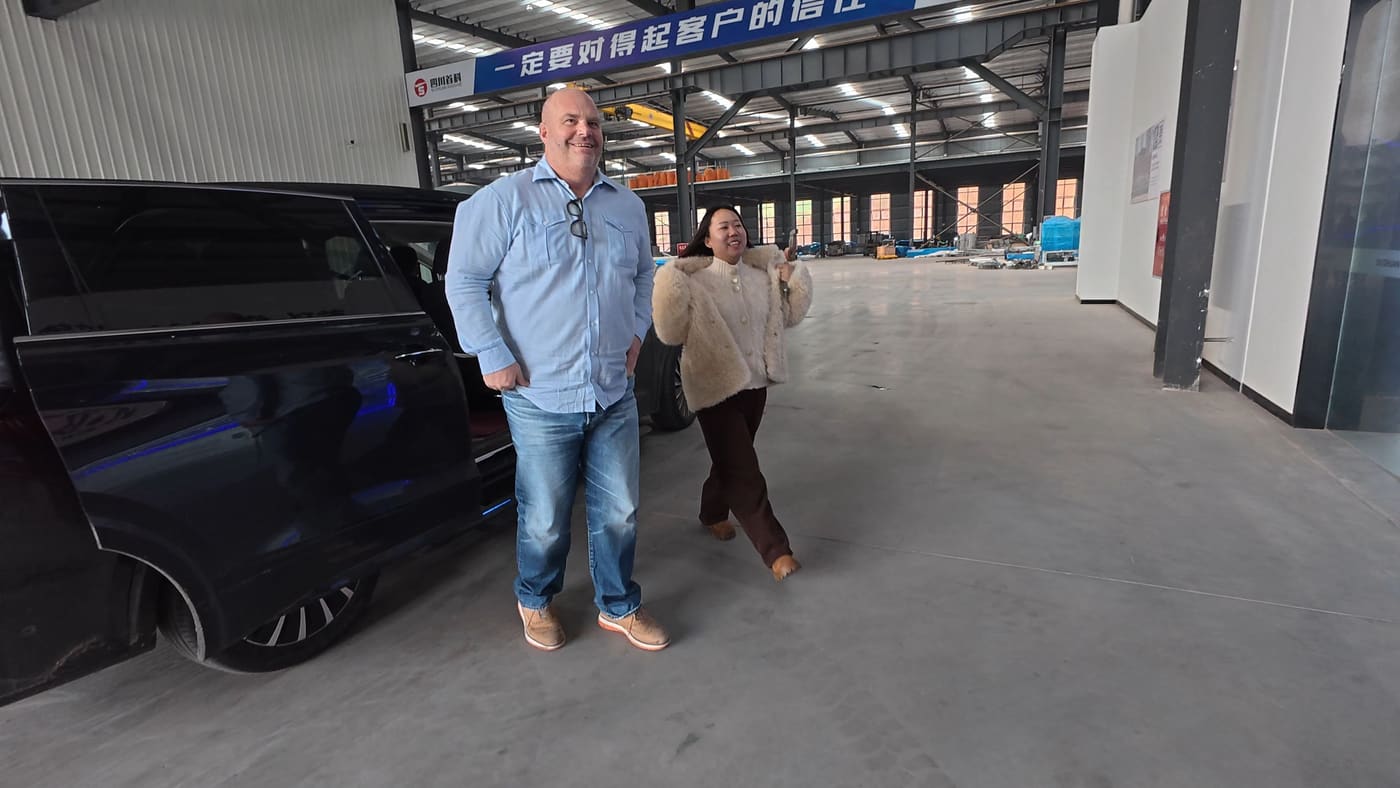
Is it worth it
Do you need a visit after the fair?
Not always, but often yes. The fair is good for comparing many suppliers quickly, testing communication, and collecting samples and quotes. It cannot show you the workshop, the equipment, how quality is controlled, or how the factory handles your kind of order.
For a small standard order, samples plus document checks may be enough. That decision is yours — it is a trade-off between cost and risk. If the question one step earlier is whether the fair itself was worth the flight at your order size, is Canton Fair worth it for small buyers answers that one, including when Yiwu or online is the better first move.
A visit is worth the time when
- The order is large, custom or likely to repeat.
- The product carries quality, safety or compliance risk.
- You need to confirm the supplier makes the product itself.
- Two or three suppliers quote similar prices and you have to choose.
- Something in the booth conversation did not fully add up.
Free download
Take the visit checklist with you.
The checks in this guide, in the order we run them on site.
Factory vetting checklist
A booth conversation only turns into a worthwhile visit if the visit is to a factory. The five checks, in the order we run them.
One email. No drip sequence, no selling your address.
Something went wrong.
Please try again, or ask us on the contact page and we'll send the file directly.
The plan
Eight steps, from business cards to a decision.
Step 1 — Narrow your list within 48 hours
You will come back with a stack of cards and notes. Within two days, sort them:
- ContinueProduct fits, quote is reasonable, answers were clear. Next: verify, then plan a visit.
- Ask moreProduct fits but the answers or the price were unclear. Next: send written questions.
- DropPoor fit, evasive, or no response at all. Next: stop.
Aim for two or three suppliers, not ten. Each visit costs a day or more once travel is counted.
Step 2 — Verify before you travel
Do not travel to a company you have not checked. Confirm the legal company name, the registration record, and whether the name on the quotation matches the licence. The seven-step walkthrough is in how to verify Canton Fair suppliers.
Verification does not replace the visit. It stops you spending a trip on a company that fails basic checks.
Step 3 — Confirm the visit in writing
Send each supplier a short message and ask for a written reply confirming:
- The exact factory address — not only the office address.
- The date and start time.
- The name and role of the person who will host you.
- Which workshops or processes you can see.
- Whether samples or your drawings can be discussed on site.
- Whether photos and video are allowed.
If a supplier avoids giving a factory address or discourages a visit, note it. It is not proof of a problem, but it matters for your decision.
Step 4 — Group visits by region, not by the fair location
Many buyers assume suppliers sit near Guangzhou. In practice a factory can be anywhere in China, and every production cluster has its own region. Check each address and group the visits by city or province:
- Visits in the same city can often be done in one day, if the factories confirm.
- Visits in different provinces need travel days between them.
- Do not plan more than two or three factory visits in a day — rushed visits give you less information.
The clusters are mapped in the manufacturing hub finder, and Zhejiang is the one most buyers add after the fair — down to the town level in Canton Fair to Zhejiang, which maps fifteen clusters from Cixi appliances to Yongkang drinkware. If you are trying to fit visits into the fair itself rather than after it, the switch-over days between phases are the quietest window in the whole fortnight — what realistically fits into them is worked through in visiting factories between Canton Fair phases, and the Canton Fair buyer guide has the dates.
Step 5 — Prepare what to bring
- Your product specification, drawings or reference samples.
- The sample or quotation from this supplier, printed.
- A list of questions, plus the answers they already gave you at the fair.
- Target quantity, delivery date and destination market.
- The compliance requirements your target market imposes.
- A notebook or phone for photos — with permission.
- An interpreter, if your Chinese is limited.
If you cannot travel yourself, a local representative can visit for you. Send them the checklist and agree in advance on what they should photograph and record.
Step 6 — What to check on site
Use the same checklist at every factory, so the comparison is fair:
- ProductionMachines, workshop layout, work in progress — whether the product is really made here.
- MaterialsRaw material storage, labels, supplier records — quality starts with materials.
- ProcessWhich steps happen in-house and which are outsourced — the real control over quality and lead time.
- Quality controlInspection points, test equipment, defect records — how problems get caught.
- CapacityNumber of lines, shifts, current orders — whether they can carry your volume.
- Packaging and warehouseFinished goods, labelling, packing process — where shipment problems usually start.
- SamplesCompare against the sample or the booth display — confirms consistency.
- PeopleWho answers the technical questions — whether they actually understand the product.
Write it down as you go — the factory visit scorecard exists because two suppliers visited a week apart are otherwise remembered very differently.
Step 7 — Compare prices and MOQ on the same basis
Build one table and fill in the same fields for every supplier, or the numbers are not comparable:
- Exact specification quoted.
- Unit price at your target quantity.
- Unit price at two other quantities.
- MOQ, and whether it is flexible.
- Tooling or mould cost.
- Whether packaging is included.
- Trade term — EXW, FOB or other.
- Lead time.
- Payment terms.
- Sample cost and sample time.
Quotes are only comparable when the specification and the trade terms are identical. A low price often reflects a different material or a lower specification.
And if the MOQ in the table is the number that stops the order, that is a negotiation rather than a dead end — the eight levers that move it are in Canton Fair MOQ for small buyers.
Step 8 — After the visit
- Write up your notes the same day, while they are fresh.
- Send the supplier a written summary of what you agreed and what is still open.
- Request samples that match the agreed specification.
- Check that the company name on the contract and on the bank account match — the last step of the verification guide.
- Decide whether to place a trial order, and which inspection you will use.
Questions
Frequently asked questions.
Should I visit the factory before or after ordering samples?
Either can work. A visit before samples helps you judge whether the supplier is worth the effort; samples first help you avoid travelling for a product that does not meet your standard.
Many buyers order samples first for low-cost products, and visit first for high-value or custom items.
How many factories should I visit in one trip?
Two to three per day at most, and fewer if they are in different cities. It is better to see fewer suppliers properly than many in a rush.
Can I visit a factory without a registered company?
Individual buyers and small businesses do visit factories, but the factory decides whom to host. Explain clearly what you plan to order, and ask before you travel — whether a supplier will accept a small order is their decision.
Do I need to tell the factory in advance?
Yes. Confirm the date, the address and the host in writing. Arriving without notice rarely works, and may be refused for safety or confidentiality reasons.
What if the factory refuses to let me see the workshop?
Ask why. Some areas are restricted for confidentiality or safety, which is normal — but a supplier that never allows any workshop access deserves extra caution.
Is a factory visit enough to guarantee quality?
No. It shows capability and process at that moment. For important orders, add samples, written specifications in the contract and inspection before shipment.
Can someone visit for me if I cannot travel?
Yes. A local representative or an inspection service can visit, take photos and video, and report back. Send them your checklist and agree in advance on what they should record.
What we don't do
What a visit can and cannot prove
A visit shows capability and process on that day. It cannot prove long-term quality or financial stability, and it is not an audit. For high-risk products add a professional inspection or audit alongside your own visit. This guide is general information, not legal advice.
- A supplier that refuses all workshop access deserves extra caution; restricted areas for safety or confidentiality are normal.
- A visit is not an audit and not an inspection — the three answer different questions.
If you are deciding between the three, that difference is set out in factory visit vs audit vs inspection.
Go deeper
