Destination · Guangdong
Shenzhen: where electronics gets designed, made and resold within four streets.
Two layers in one city — the component markets everyone films, and the actual factories an hour outside them doing SMT, assembly and tooling. Most visitors only see the first layer.
Best for: creators filming electronics and hardware supply chains, and buyers sourcing components or tooling.
- Consumer electronics and drones
- Prototype-to-production speed
- Creator favourite — with conditions
Why this cluster
Why Shenzhen, rather than somewhere bigger.
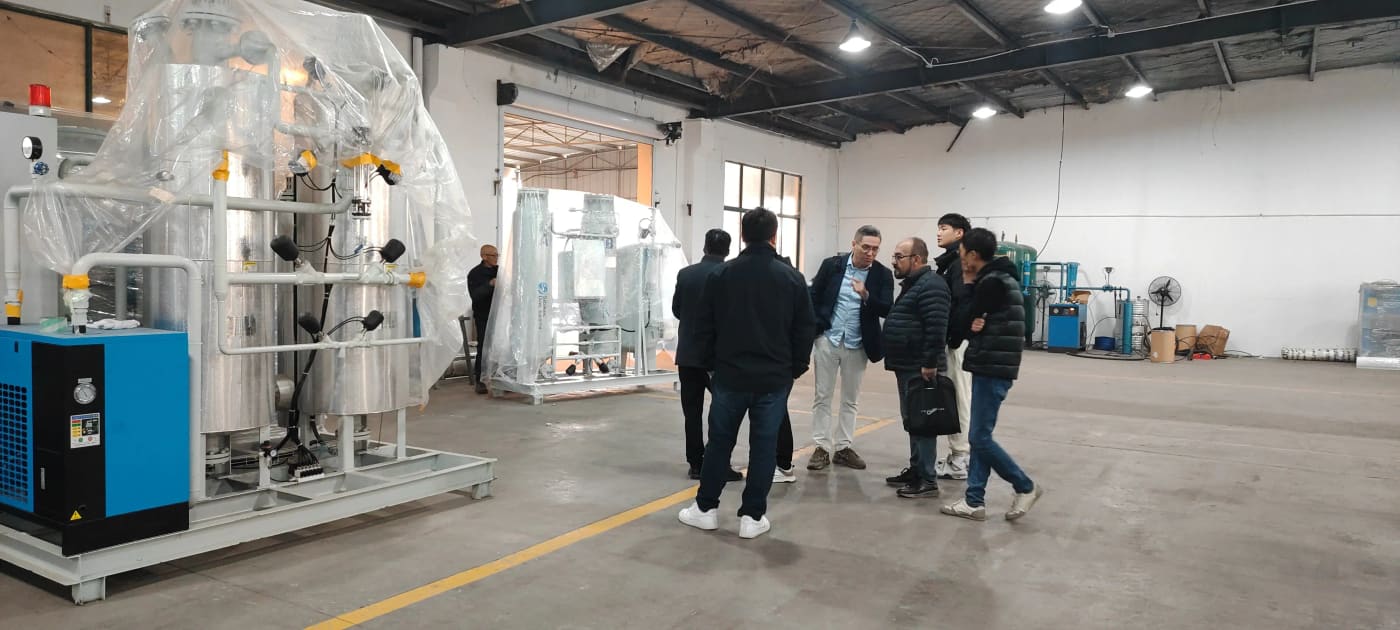
Shenzhen compresses the electronics supply chain into one metro area: component sourcing, PCB fabrication, SMT assembly, enclosures, tooling and firmware contractors, all reachable in a day of driving.
For creators it is visually the most interesting cluster in China and arguably the most watched. A factory floor here reads immediately to an audience that has seen a hundred Yiwu market videos.
For buyers it is where iteration speed is a genuine advantage — not just for prototypes, but for revisions after the first production run has already shipped.
The catch is the same every year: plenty of “factories” here are assembly rooms subcontracting the interesting parts. Whether anything is actually being made on site is verified on the floor, not in a meeting room.
Iteration speed
Very high
Component availability and local engineering make short development cycles realistic.
Typical MOQ
Mid
Higher than Yiwu, lower than heavy manufacturing — driven by line setup rather than tooling.
Filming notice
3–4 weeks
Usually agrees; restrictions tend to be specific rather than blanket.
Categories & markets
What is actually made here.
Categories first, then where inside the cluster each one trades.
- Consumer electronicsAudio, chargers, power banks, wearables — mature electronics component ecosystems with short lead times.
- Drones & RCAirframes, flight controllers, camera gimbals — a genuinely specialised local supply chain.
- PCB & PCBAFabrication and assembly often within the same industrial district, sometimes under one roof.
- Enclosures & toolingInjection tooling and CNC machining in Dongguan, roughly an hour away.
- Displays & opticsPanels, lenses, camera modules — with adjacent supply in Dongguan and Huizhou.
- Component marketsWhere prototypes are actually built. Useful context for creators, and honest about being trade rather than manufacture.
Sample structure
Four days: one layer at a time.
Component markets and real factories serve different purposes. Doing them in the right order changes what you learn from both.
DAY 1 · MARKET
Component floor context
Understanding what is commodity and what is proprietary before discussing your product with anyone.
SZX · COMPONENT FLOORPhoto pending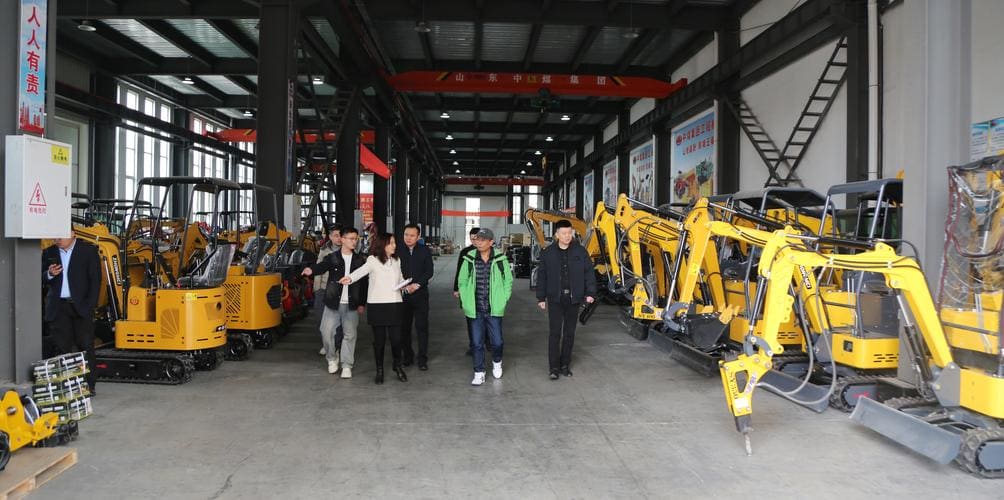
DAY 2 · PCBA
Board fabrication and assembly
A real SMT line: paste printing, pick-and-place, reflow, AOI. Filming usually permitted once you ask properly.
SZX · SMT LINEPhoto pending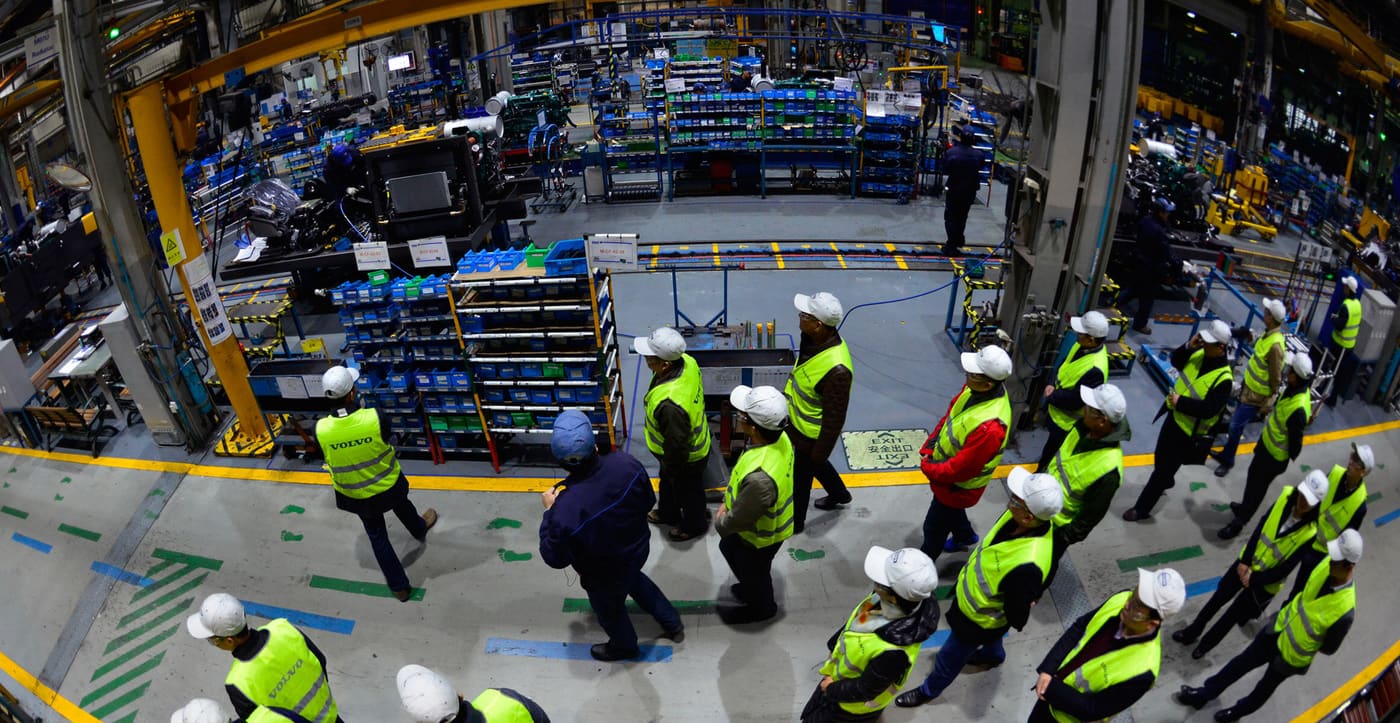
DAY 3 · FINAL ASSEMBLY
Enclosure, assembly and test
Where the board becomes a product — including the parts most visitors never see being made.
SZX · FINAL ASSEMBLYPhoto pending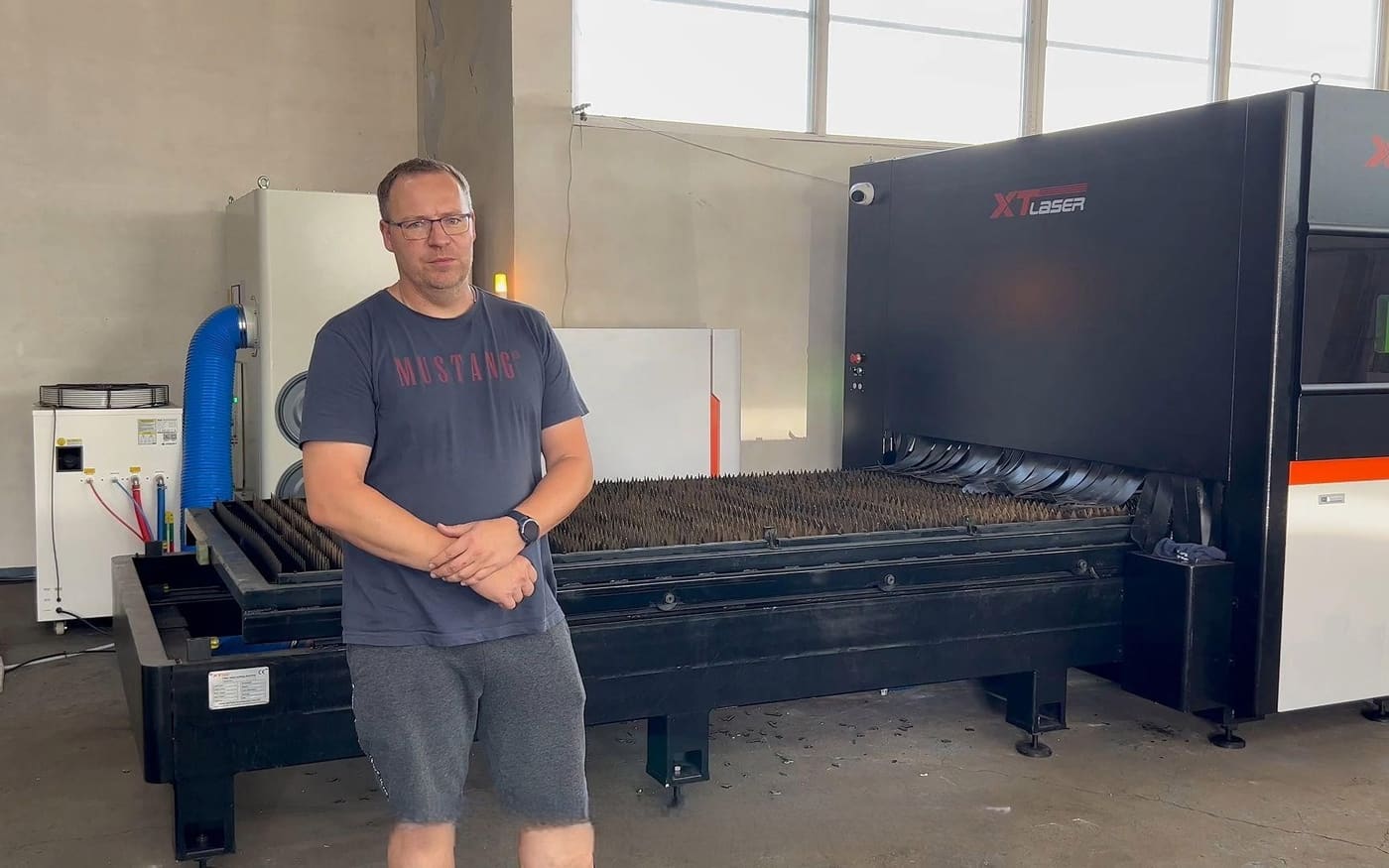
DAY 4 · TOOLING
Tooling visit in Dongguan
An hour out, worth the trip. Tooling rooms tell you whether a supplier makes things or only assembles them.
SZX · DG TOOLINGPhoto pending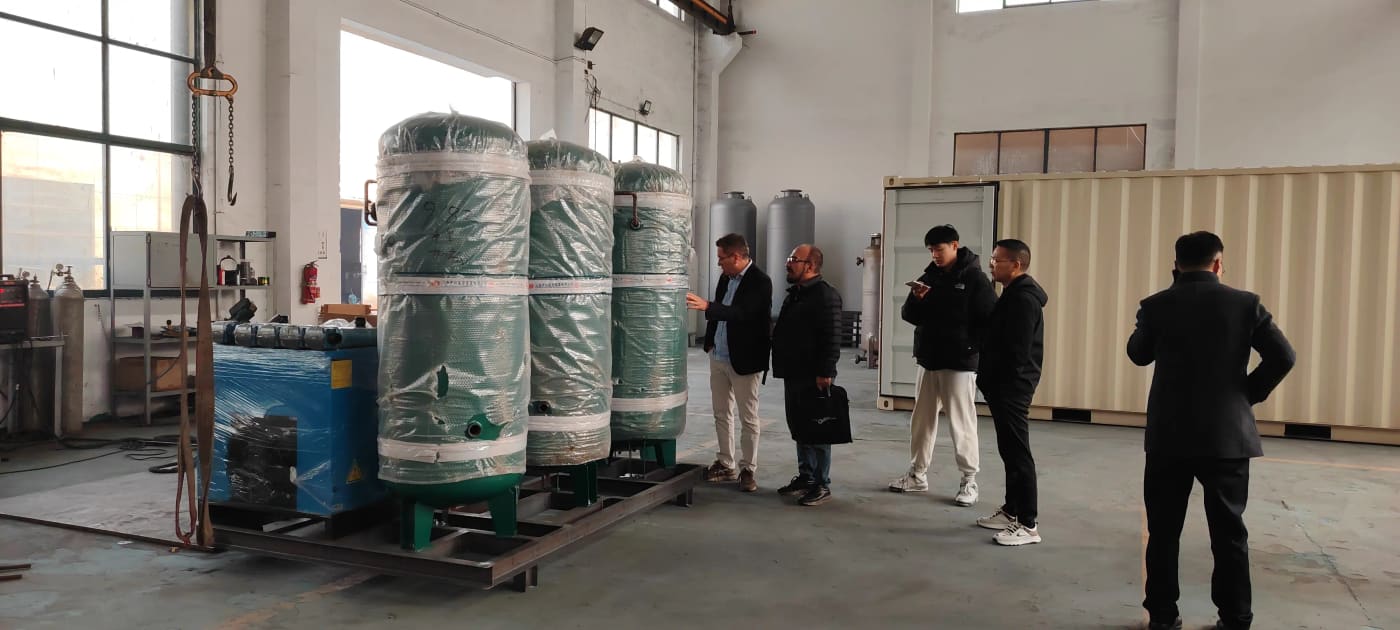
DAY 4 · WRAP
Pick-ups and debrief
B-roll around the industrial zone, then a structured recap of everything seen.
SZX · INDUSTRIAL ZONEPhoto pending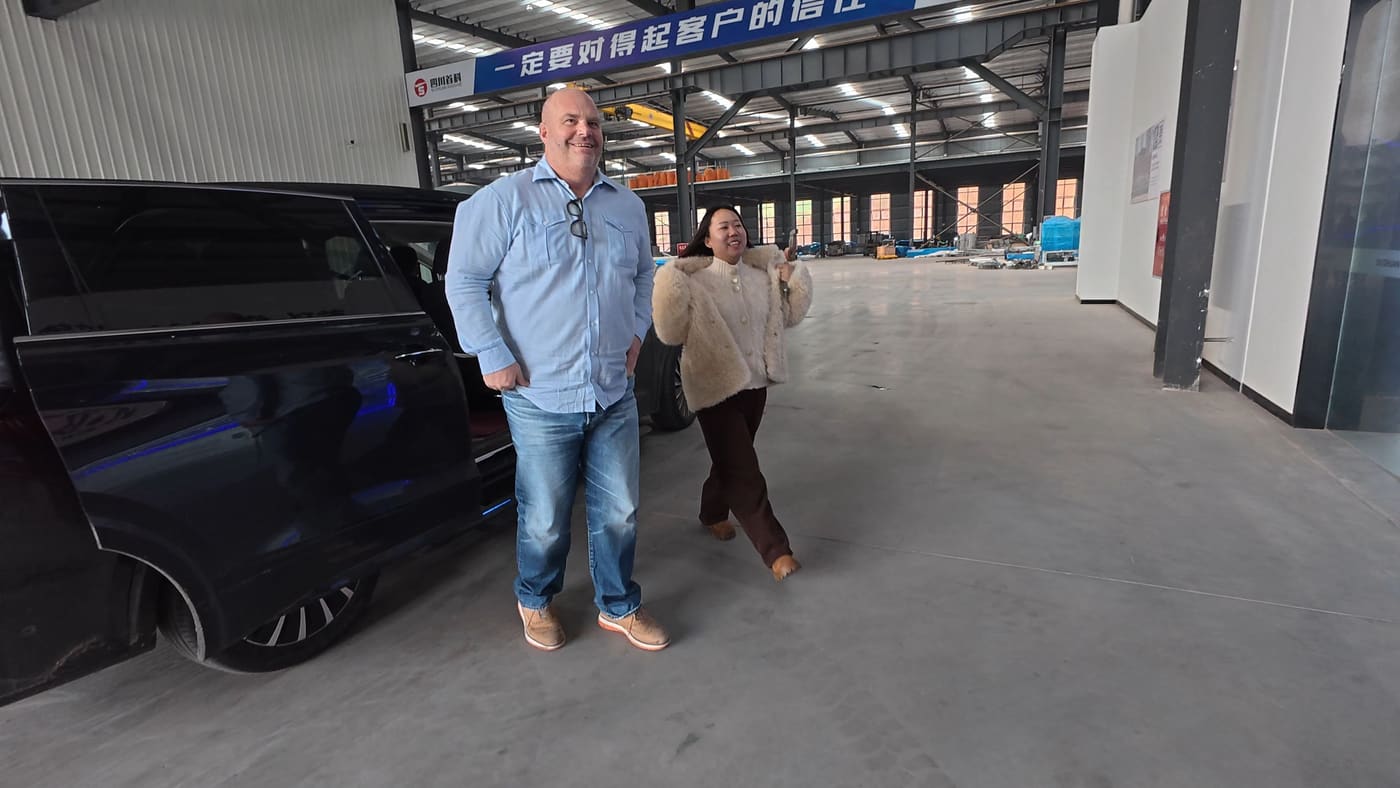
Filming feasibility
Camera access in Shenzhen.
Popular with creators for good reasons — and the restrictions are more specific here than visitors expect.
- Typical answerUsually yes for assembly and test; board-level lines often agree too, with conditions.
- Ask this earlyThree to four weeks, longer for anything involving branded or NDA-covered work.
- What gets refusedScreens bearing customer names, unshipped designs on monitors, and any line under a brand NDA.
- Practical noteEMI-sensitive and testing areas are common restrictions — worth asking for explicitly rather than assuming.
Timing
Best time to come — and when to stay away.
Seasonal windows
- 01.Best months: March–May and September–November.
- 02.Chinese New Year is the hard closure; Shenzhen empties noticeably and recovery is slow.
- 03.Product launch cycles drive secrecy — if a client sees a competitor filming during a launch period, expect refusals.
- 04.Peak production before Western holidays runs roughly August–October, when floors are least available for visitors.
When a visit wastes your money
- Booking an electronics visit inside ten working days. Permission odds fall sharply.
- Assuming the brand on the box is the manufacturer. Often it is not, which is check number two.
- Filming screens and monitors without asking. The fastest way to lose access mid-day.
Before you book: how we verify a factory
Electronics suppliers frequently assemble rather than manufacture. Two of the five checks exist specifically to catch that difference on site.
Keep going