Destination · Zhejiang
Ningbo & Hangzhou: large plants, real compliance, slower answers.
This is where Chinese manufacturing looks most like the version in your head — big sites, documented processes and exports to brand-name customers. It is also the cluster where requests take longest to route.
Best for: brand buyers verifying large OEM plants, tooling and export compliance.
- Large-plant, export-oriented manufacturing
- Compliance-heavy — permission takes longer
- Best for defined production programmes
Why this cluster
Why Ningbo, rather than somewhere bigger.
Ningbo and its surrounding belt specialise in the categories that need presses, tooling and documented process control: appliances, hardware, automotive and new-energy components, and industrial textiles.
Hangzhou adds a different layer — electronics assembly, textile finishing and a growing design and engineering services scene that is useful if you are developing something rather than copying something.
The reason to come here is certainty. These plants are used to export audits, third-party inspection and written specifications. If your number one requirement is whether this will survive your customer audit, this is the cluster.
The reason not to come here is small quantities. If you want 300 units of a decorated product, Ningbo will not be interested and Yiwu will.
Typical factory size
Large
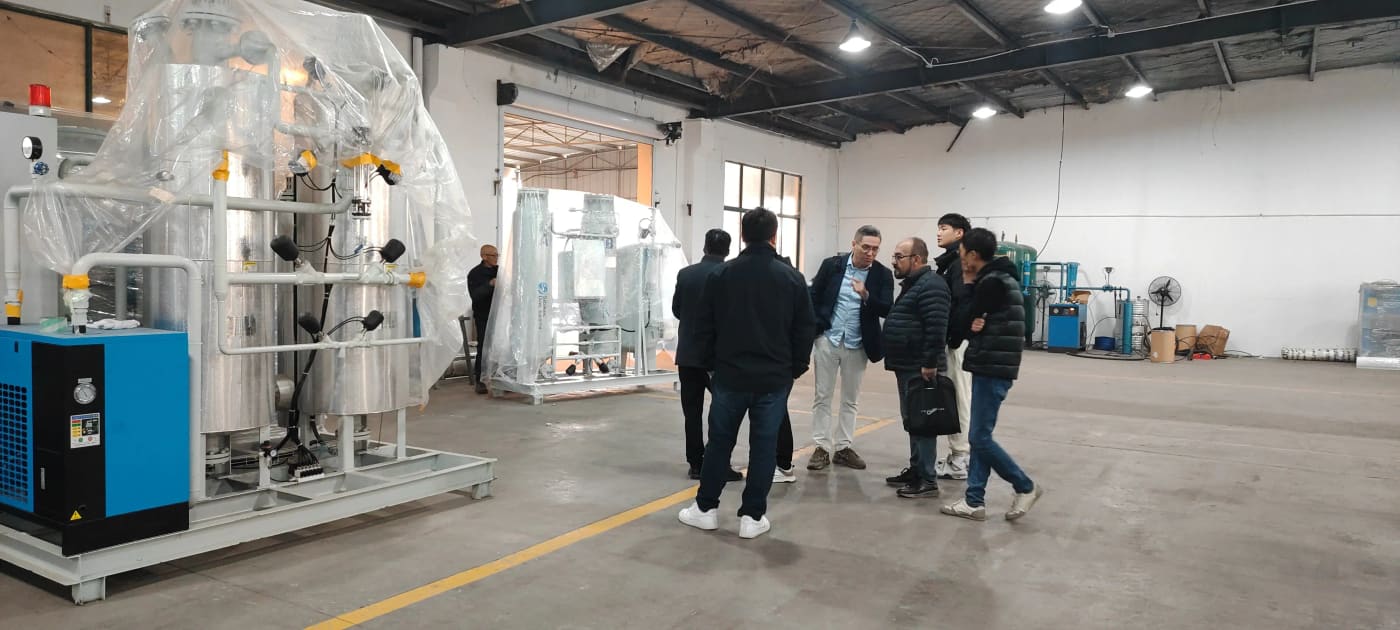
Multi-building sites with their own tooling departments are normal here.
MOQ posture
Higher
Programme-oriented rather than small-batch, especially for tooling-led parts.
Filming notice
4–6 weeks
Requests usually route through a compliance contact rather than the owner.
Categories & markets
What is actually made here.
Categories first, then where inside the cluster each one trades.
- Small & large appliancesKitchen appliances, cleaning devices, water treatment units — often sold from a product catalogue of existing tooling.
- Hardware & toolsFasteners, hand tools, locks, metal fabrication — deep supply chains with their own plating and heat-treat partners.
- New-energy componentsBattery packs, connectors, thermal management parts — among the fastest-moving and most IP-sensitive lines.
- Automotive partsTier-two and tier-three suppliers, frequently already shipping to international manufacturers.
- Textiles & home textileWeaving, dyeing and finishing around Shaoxing and Hangzhou, with export-established mills.
- Plastics & injection toolingStrong tooling capability — one of the reasons this cluster handles complex parts well.
Sample structure
Three to five days, deliberately not packed.
Large plants do not do eight visits a day. Two substantive visits with technical depth beats six showroom stops.
DAY 1 · ARRIVAL
Shortlist and document review
Registration and scope checks on your shortlist, plus a review of any specifications you plan to send ahead.
DAY 2 · PLANT A
Full-site visit
Receiving, tooling store, production lines, QC lab and packing. Half a day minimum, often more.
DAY 3 · PLANT B
Second site, comparison structure
Same visit structure so the two can be compared rather than remembered differently.
DAY 4 · ENGINEERING
Technical session
Tolerances, tooling ownership, change control and failure modes — with whoever will actually engineer it.
DAY 5 · WRAP
Debrief and written report
Every visited plant documented, including which checks each one failed.
Filming feasibility
Camera access in Ningbo.
The least improvisational cluster for camera access. It works, but it does not work quickly.
- Typical answerOften yes, after routing through a compliance contact — expect formality rather than hostility.
- Ask this earlyFour to six weeks. Anything under three and the honest expectation is a refusal.
- What gets refusedAny line running work under a customer NDA, plus clean rooms and certain finishing processes.
- Practical noteThese plants often ask to review published material. Agreed in writing beforehand, not negotiated afterwards.
Timing
Best time to come — and when to stay away.
Seasonal windows
- 01.Best months: April–June and September–November.
- 02.Chinese New Year (usually January or February) closes plants for one to three weeks, with a slow ramp-up afterwards.
- 03.October National Day holiday — the first week is a hard shutdown for most plants.
- 04.Summer is workable but production planning is often focused on year-end export Shipping deadlines from August onward.
When a visit wastes your money
- Arriving with less than three weeks notice for filming. This is the cluster where that most often fails.
- Expecting flexibility on small quantities. Tooling economics here assume volume.
- Bringing a specification that is still undefined. These plants will quote it anyway, and the quote will not mean what you think.
Before you book: how we verify a factory
Large plants pass registration checks easily and fail on the questions that matter — who really holds capacity, and whether your programme will be subcontracted.
Keep going
Other clusters and related categories.
Not every year
The Ningbo export hall: a fair that mirrors the factories.
The export hall of the China–CEEC Expo & International Consumer Goods Fair runs in Ningbo, and its categories read almost exactly like a list of what this cluster makes. It is the easiest fair in China to turn into factory days — with one catch worth knowing before you plan.
- The catchIt is not annual. The last edition ran 22–25 May 2025 and the organisers list the next for May 2027. Do not build a sourcing calendar around it.
- WhereNingbo International Conference and Exhibition Center — the export hall, not the separate China–CEEC hall on Dongqian Lake. Confirm which one your badge covers.
- ScaleAround 1,028 exhibitors over 60,000 m² at the last edition, with overseas buyers from 72 countries. Smaller than Canton Fair, which is the point: you can actually work the floor.
- CategoriesHousehold goods, gifts and crafts, appliances, home textiles and garments, stationery, outdoor and kitchen-and-bath. The overlap with local production is why the days after tend to be productive.
- Why pair it with factoriesThis cluster is large plants with documented processes, not market stalls. A booth conversation gets you a catalogue; the plant visit gets you the tooling shop, the QC lab and a straight answer on whether your volume is interesting to them.
- If the edition misses your windowCome anyway. A normal Ningbo week works in any month except Chinese New Year and the first week of October — the fair is a bonus, not the reason the factories are worth a visit.
- What we do not doWe do not sell booth space, register you as an exhibitor, or take commission from the factory. Edition numbers and dates belong to the organisers.
Edition numbers, halls and exact dates belong to the organisers — confirm the current one oncceecexpo.org before booking flights.